The 10-Minute Counter Reset Before Guests Arrive
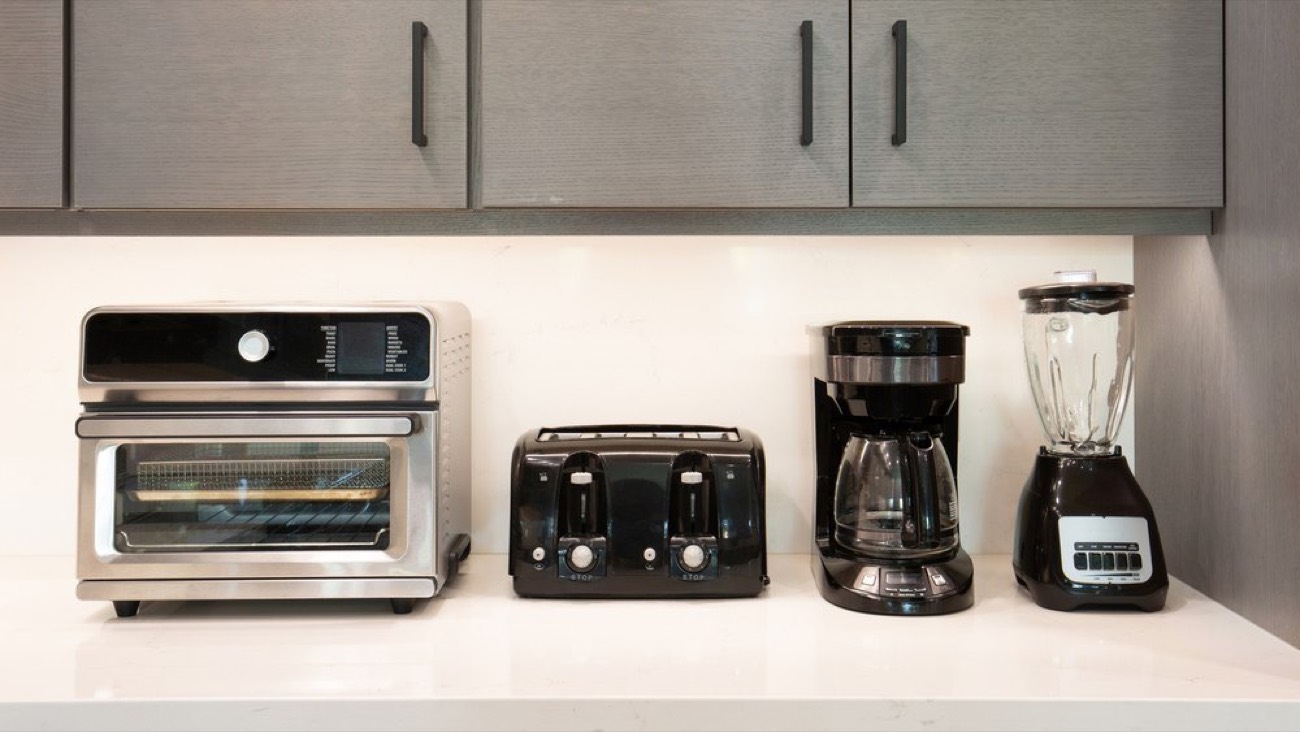
Hosting a crowd exposes every surface in the kitchen, and the counters take the hit.
They sit at roughly eye level and run along the room's longest sightline, making them the first thing guests notice when they walk in.
The counter is also where you need room to actually cook. Clear four categories of clutter and you get both a calm first impression and a working prep space. Here is what to move, and where it should go.
1. Appliances you don't use daily
Air fryers and coffee machines read as daily essentials, but they may not deserve premium countertop space.
Each one eats a corner, and professional organizers point out there is no need to surrender a whole corner to a single machine.
Stash a toaster, Instant Pot, or stand mixer in a cabinet unless you use it every day.
Juicers, air fryers, and other occasional-use gadgets like egg cookers are the usual suspects that gather dust and should have their position reconsidered.
Instead: run the use-it-daily test.
Ask whether each appliance earns its spot or belongs in a cupboard. If you don't use the toaster daily, store it below. No kitchen cabinet space? Park an appliance in a cabinet in another room.
Budget tip
Before buying a built-in microwave or appliance garage as a long-term fix, try shelf risers inside existing cabinets to create extra levels for stashed appliances.
SONGMICS Cabinet Organizer Shelf, Set of 2 Spice Rack, Kitchen Storage
2. Non-kitchen items that drift in
Kitchens are where people congregate, so counters collect mail, purses, jackets, toys, keys, and vitamins. None of it helps you cook, and all of it reads as mess.
What to do instead: give the drift a home elsewhere.
Decluttering every one to two days takes a couple of minutes and saves hours of deep cleaning later. She suggests a nightly sweep timed to running the dishwasher, so non-kitchen items never pile up.
Tip
Nothing should sit on kitchen counters that doesn't belong in the kitchen. Toys, homework, jackets, keys, and mail are catchall items that are better returned to the entryway, where they landed from in the first place.
3. Cables and takeout clutter
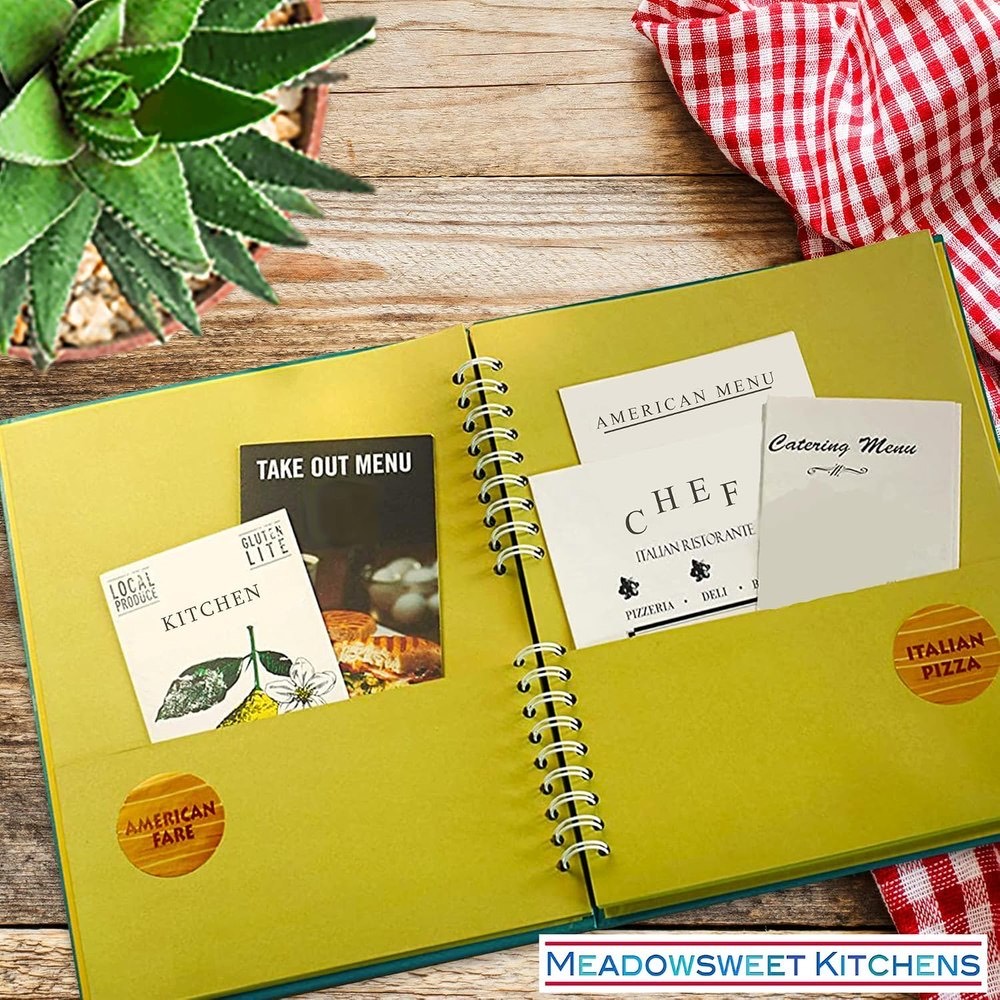
Cords snaking from the coffee maker, a phone charger left plugged in, a stack of takeout menus, a wad of plastic bags tucked behind the kettle: none of these items is big on its own, but together they make an otherwise clean counter look chaotic.
When you’re hosting, that small stuff gets in the way, too. Loose cords can snag on platters and serving dishes, and a pile of bags and menus takes up exactly the stretch of counter you’ll want for plating food or setting out drinks.
6PCS Cord Organizer for Appliances, Upgraded Appliance Cord Wrap
What to do instead: hide the cords and clear the paper.
Adhesive cord clips or simple cord wraps keep cables tucked along the backsplash or behind appliances, where no one sees them. Unplug chargers and move them to another room before guests arrive.
Recycle old plastic bags or stash them in a drawer, and keep only the takeout menus you actually use, filed in a drawer or saved on your phone.
Meadowsweet Kitchens Takeout Menu Holder Organizer, Restaurant Coupon & Menu Binder
Styling tip
You can’t hide the outlets themselves, but you can keep them from drawing the eye. Leave the area in front of them clear rather than lining it with plugged-in gadgets, so a row of sockets reads as part of the backsplash instead of a cluster of clutter.
4. Food and decorative clutter
Cereal boxes, bread loaves, and vases compete for the same space you need to prep.
Moving food into a pantry makes a kitchen feel instantly less cluttered, and decorative pieces like vases or ornaments belong on shelving, not the counter.
A fruit bowl is the usual holdout. A hanging basket for fruit frees the surface entirely, though a single handsome ceramic bowl is a reasonable exception if it adds warmth.
Instead: store food vertically and in closed containers.
Clear jars and bread boxes keep pantry staples contained while leaving guest-facing surfaces calm.
For onions, garlic, and potatoes, stackable wire bins use vertical space instead of sprawling across the counter. Shelf risers and stacking shelves give back counter space without removing anything you reach for daily.
The landing zone test settles borderline items: if something doesn't serve a daily cooking function or add visual warmth, it migrates to a cabinet or shelf.
Final Thoughts
A quick counter reset before any gathering leaves you with a tidy place to cook and a kitchen that greets guests well, and the empty surface is your chance to clean corners you usually can't reach.
The four categories to clear are infrequent appliances, non-kitchen drift, cables and takeout clutter, and stray food and decor. What stays gets a zone. What leaves gets a cabinet.
A calm, uncluttered kitchen signals that you have the whole evening handled, which is exactly the impression you want before the first guest arrives.
Have a question about this story? Write to us — we answer every message.
 8 Japanese Home Features Worth Borrowing for Your Own Space
 How to Make Over an Ensuite Bathroom on a Budget
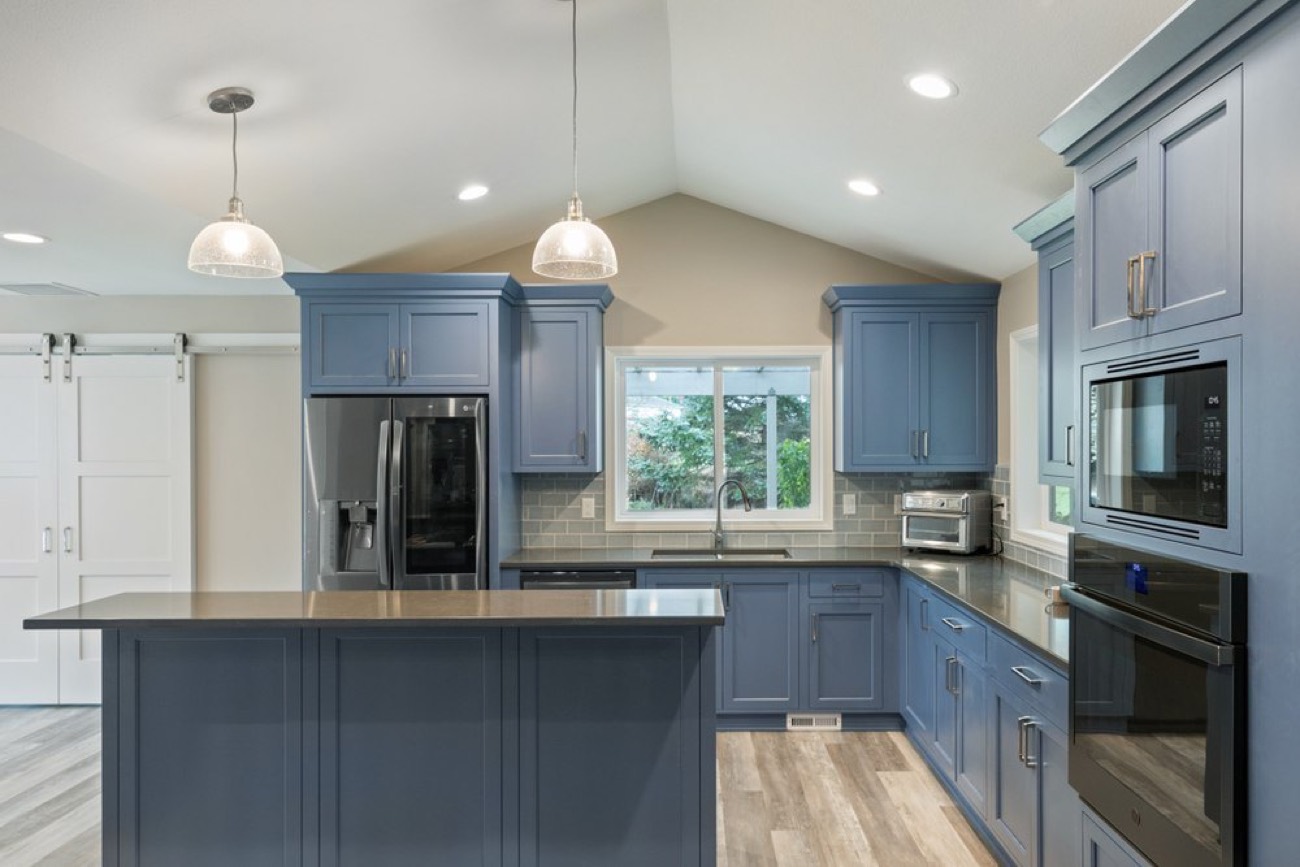 The Case for Charcoal Blue Kitchen Cabinets in 2026